Choosing by technology
Today, we can speak of two main camera system technologies — analog and IP. Both technologies have recently become comparable in terms of resolution and basic features. The fundamental difference, however, is the way the video signal is transmitted. With analog technologies (AHD, TVI, CVI), the image is transmitted in analog form over coaxial cables. With IP technology, transmission is fully digital and runs over a LAN computer network. Analog technology is particularly attractive due to its lower purchase price at the same resolution as IP, and it is suitable for smaller installations (family houses, small shops, etc.) or as an excellent replacement for old analog camera systems with low resolution, while reusing the original cabling. IP camera systems are recommended for more complex installations with intricate cabling infrastructure, or where existing data wiring in the building can be used (warehouses, factories, large stores and depots, etc.).
Choosing by infrared range (for night vision)
The main criterion when choosing a security camera by IR range is the distance in meters. You will find this value listed under "specifications" for every security camera. For example, if a camera is rated at 20 m, it has a number of LEDs or a power output sufficient to capture images in complete darkness up to a distance of 20 m. It is important to know that every environment reflects light differently. A white wall will be visible from a greater distance than a darker surface or vegetation. For this reason, it is important to allow for a margin when selecting a security camera. In practice, this means that if you want to reliably see at 30 m, choose a model with at least 40 m and ideally 50 m IR range.
Choosing by resolution
Security camera resolution is measured in pixels — or rather megapixels (Mpx). The higher this value, the higher the image quality. Image quality is a critical parameter for a security camera, so we recommend not underestimating it. Our current range includes security cameras from 2.0 Mpx (also known as 1080p, Full HD with 1920×1080 px resolution) up to 8.0 Mpx cameras (also known as 4K, Ultra HD with 3840×2160 px resolution).
Choosing a security camera by form factor
The main criteria for choosing the right camera type are operational features and design. Our offering includes representatives of all main security camera categories.
| Camera type | BULLET | DOME | PTZ DOME |
| Description | Camera type used mainly for outdoor applications. All cameras are rated IP66 or higher, so they can be exposed to typical weather conditions year-round. | Hemispherical camera with vandal-resistant housing, designed for indoor and outdoor applications. All cameras are rated IP66 or higher, so they can be exposed to typical weather conditions year-round. | Pan/tilt cameras with motorized zoom. They can be controlled via the camera menu, the DVR, or a control keyboard. |
| When to choose | Used predominantly for outdoor installations. Thanks to the integrated sun shield, the camera is well protected from direct sunlight and other weather. Mounting is possible on any inclined surface. | Choose when the camera is mounted dangerously low and could easily be damaged. Thanks to the vandal-resistant aluminum-alloy housing and solid base, unwanted manipulation of the camera is very difficult. | This camera type is relatively expensive, so there must be a real reason to use it. Recommended where security personnel will use the camera's mobility and actively operate it. |
| Where to mount | indoor and outdoor walls, ceilings, eaves, poles (requires a special bracket) | indoor and outdoor walls, ceilings, eaves, poles (requires a special bracket) | indoor and outdoor walls, ceilings, eaves, poles (requires a special bracket) |
| Example | 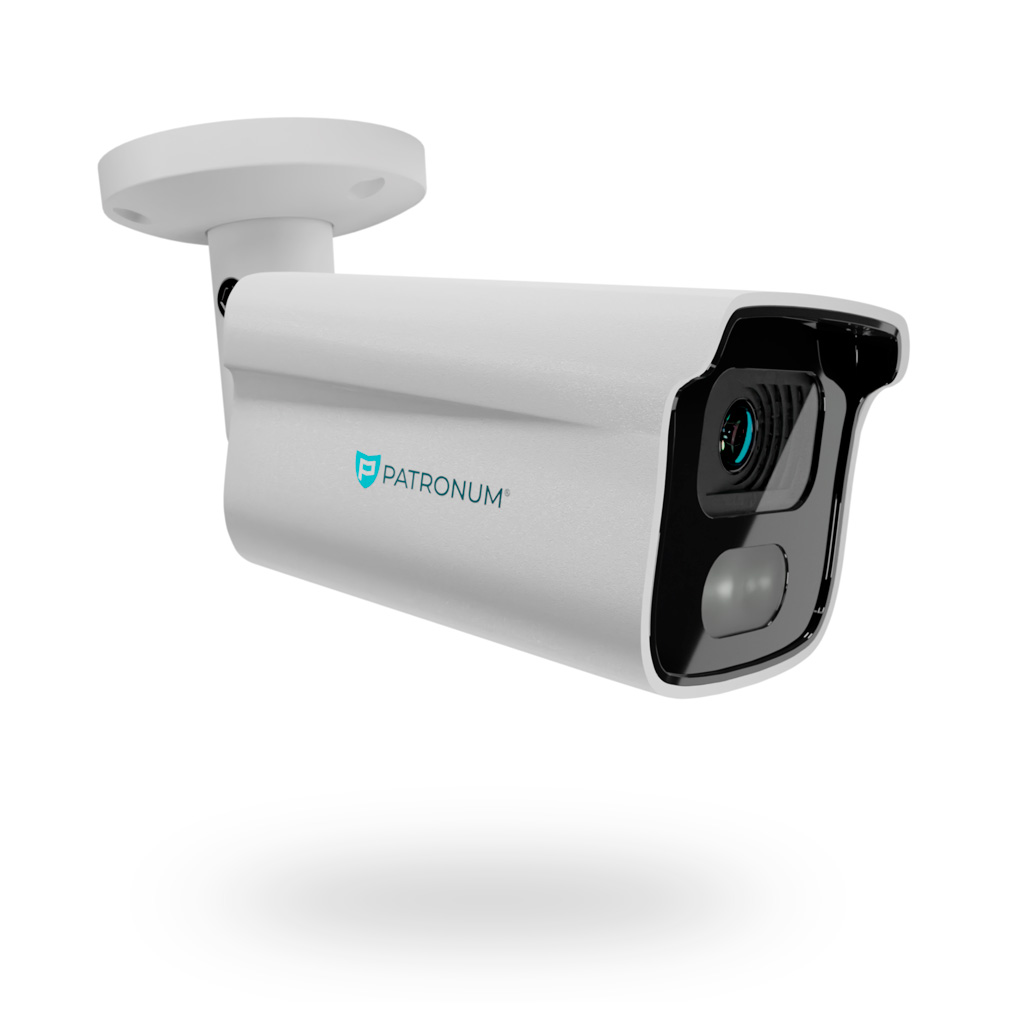 | 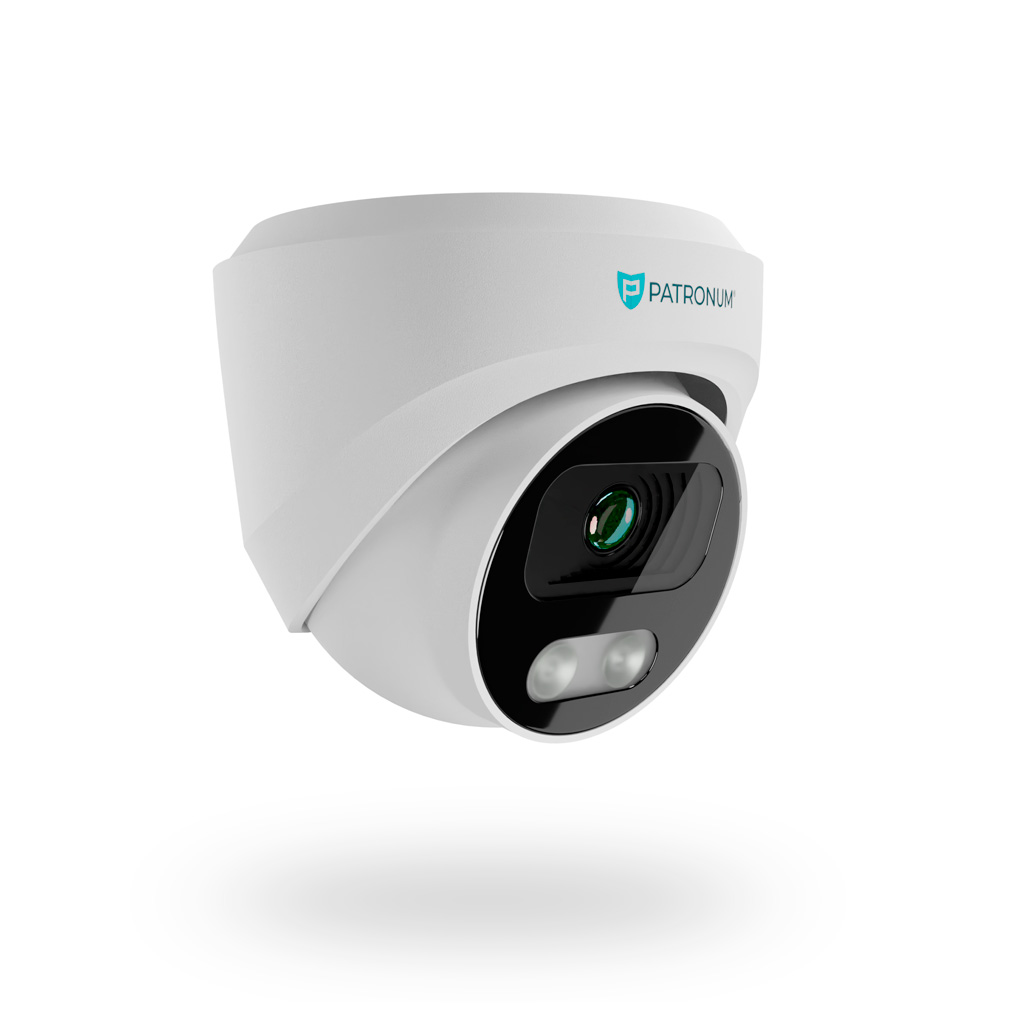 | 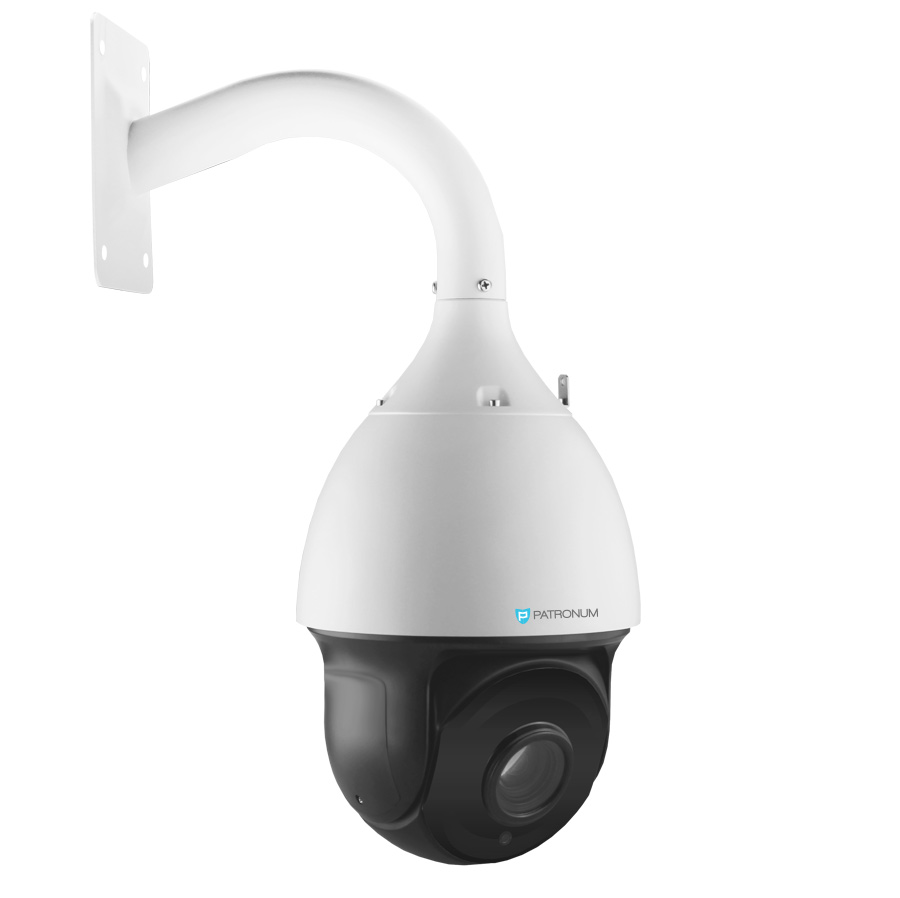 |