Loitering detection in AI camera systems
Loitering detection in AI camera systems is a feature that automatically recognises and tracks people moving aimlessly within a defined area. It relies on algorithms able to analyse the image and distinguish between purposeful movement (e.g. walking on a pavement) and aimless wandering (e.g. standing in one place or repeatedly turning around).
Benefits of loitering detection:
- Higher security: loitering detection lets you alert in time to suspicious people moving in the protected area, helping prevent theft and vandalism.
- Fewer false alarms: unlike traditional motion detectors that react to any motion in the frame, loitering detection eliminates false alarms caused by animals, branches or shadows.
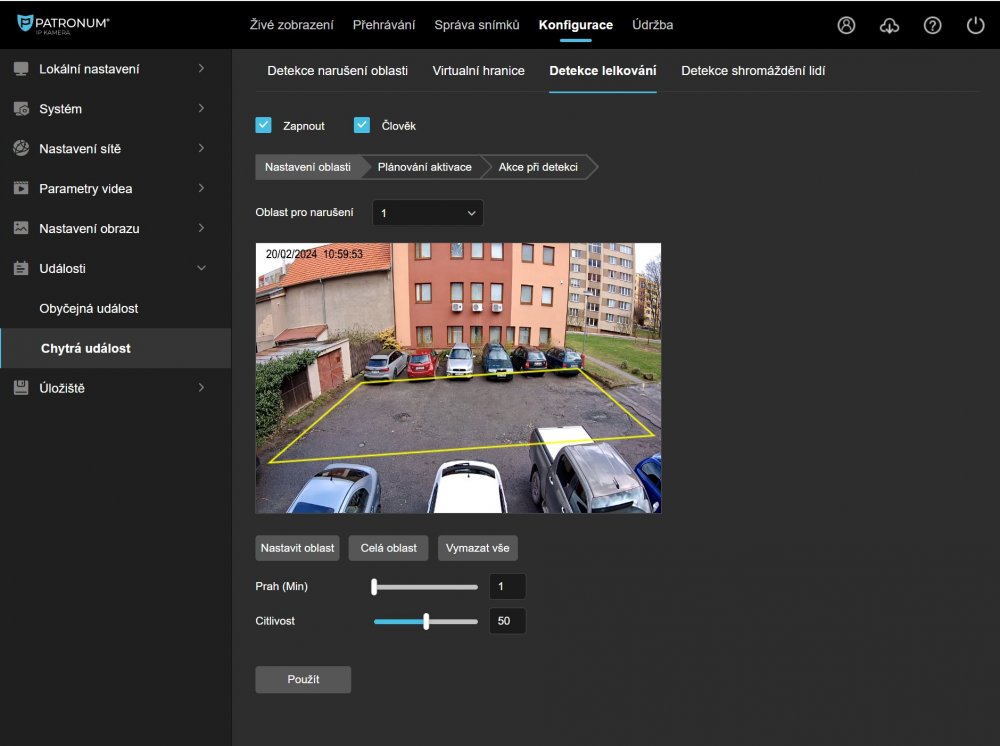
How loitering detection works:
- Image capture: the camera records the monitored scene.
- Image analysis: algorithms analyse the image and track the trajectory of people's movement.
- Loiterer recognition: if the algorithms find the person is moving aimlessly, the system flags them as loitering.
- Alert: on detection the system can send an alert to the operator or start recording and trigger other actions such as an alarm.
Loitering detection is a valuable feature that improves security and enables more efficient monitoring.
Example uses:
- Parking lots: monitor the lot and alert on suspicious movement.
- Retail: watch sales areas and flag aimless individuals who might steal.
- Airports: monitor airports and alert to people in restricted areas.
- Care homes: watch dementia patients and alert when they leave their room.
Loitering detection is an evolving technology with great potential to improve security and monitoring efficiency.
Conditions for proper detection:
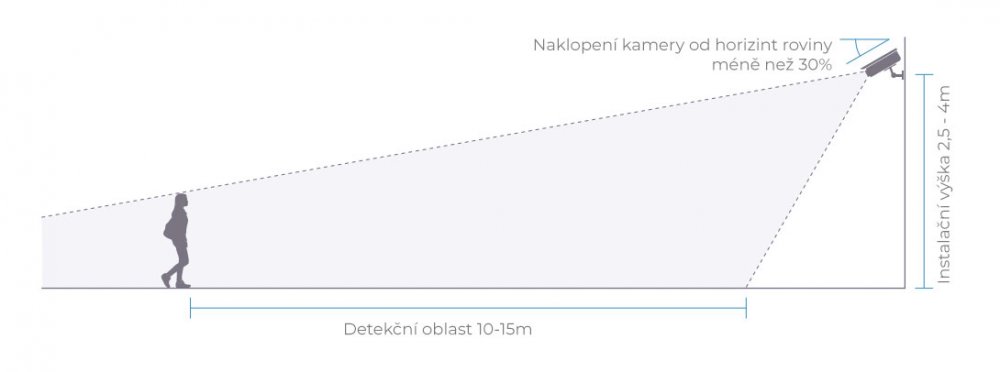
The security camera must be at 2–4 m height. Tilt to horizontal must be less than 30°. Recommended detection range is 10–15 m. There must be no objects between the person/vehicle and the camera blocking the view. Failing these conditions can lead to incorrect detection.